Haringey rules for mattress disposal after cleaning: what to do next, what to avoid, and how to stay on the right side of local practice
You've cleaned the mattress properly. It looks better, smells fresher, and maybe the stains have lifted more than you expected. But now comes the awkward bit: what are the Haringey rules for mattress disposal after cleaning, and what should you actually do with it next? That question comes up a lot, especially when a mattress is too worn to keep, too bulky for a normal bin, or simply no longer worth the effort.
The short version is this: cleaning a mattress does not automatically make it suitable for disposal in any old way. In Haringey, as in most of London, you need to think about bulky waste handling, shared-building rules, reuse options, contamination risks, and whether the mattress is genuinely beyond repair. This guide walks you through the practical side of it in plain English, so you can make a sensible decision without guesswork.
And yes, a clean mattress can still be a disposal headache. Annoying, but true.
Why Haringey rules for mattress disposal after cleaning matters
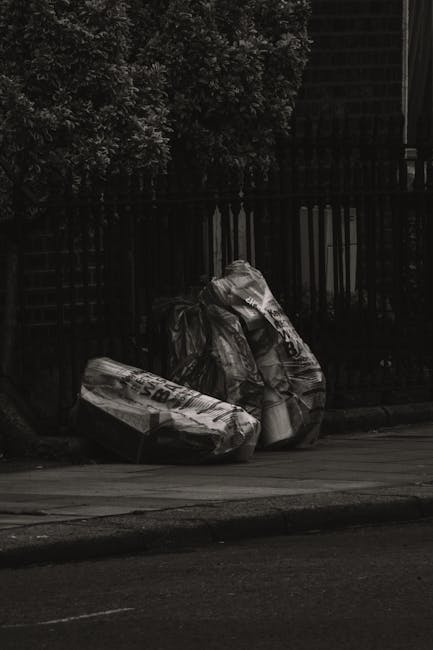
Mattresses are bulky, awkward, and easy to mishandle. They hold dust, sweat, skin cells, and sometimes pest contamination or old stains that no amount of surface cleaning will completely erase. Once a mattress has been cleaned, people often assume it can go straight into a shared waste area or be left beside a regular bin. That is where problems start.
In Haringey, the practical issue is not just waste removal. It is also about keeping communal spaces tidy, avoiding fly-tipping, and making sure the item is disposed of responsibly. If you live in a flat, an estate, or a property with limited storage, a mattress left in a hallway can quickly become a nuisance. Residents notice. Neighbours complain. Sometimes management teams get involved. Nobody enjoys that conversation, let's face it.
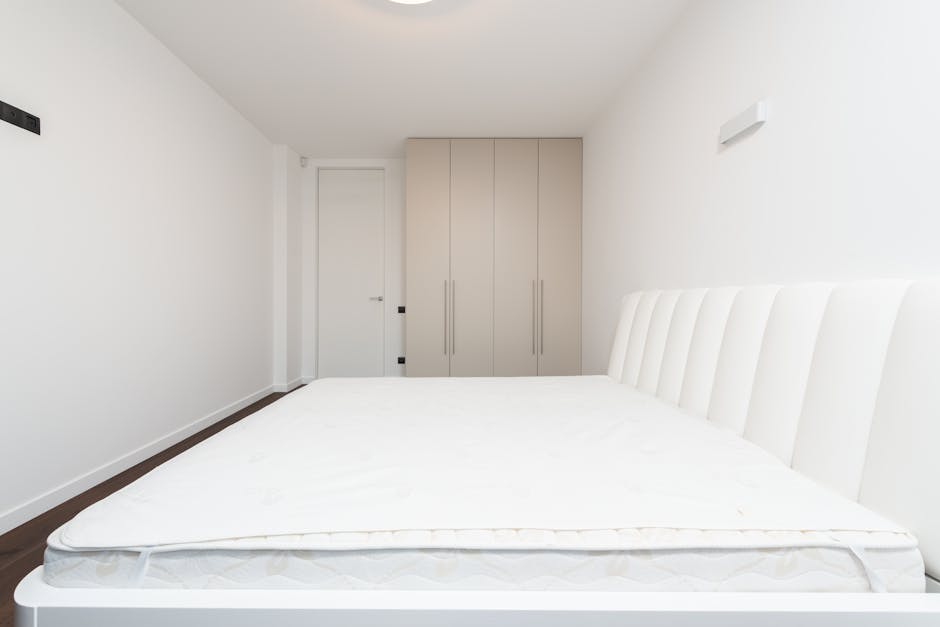
There is also the question of reuse. A mattress that has been cleaned might still be safe to keep, donate, or repurpose, but only if the underlying structure is sound. Once springs collapse, foam breaks down, or damp has set in, cleaning is only one part of the story. Disposal rules then become relevant because you are moving from maintenance into waste handling.
If you are dealing with broader property clear-outs as well, it can help to look at related services such as house clearance or a full deep cleaning before deciding what stays and what goes. That is often the calmer route when a room has been neglected for a while.
Expert summary: Cleaning a mattress may improve hygiene and appearance, but disposal in Haringey still needs to be handled as bulky waste, reuse, or specialist removal depending on condition, building rules, and safety concerns.
How Haringey rules for mattress disposal after cleaning works
The process is easier when you break it into three simple questions: is the mattress reusable, is it safe to move, and how does the property manage bulky waste? Those three checks usually decide the next step.
First, assess the condition. If the mattress has been cleaned but still smells musty, has mould marks, or feels structurally damaged, it may not be suitable for reuse. In that case, disposal is the right path. If it is clean, dry, and intact, you may be able to keep it or pass it on, though that depends on whether anyone is willing to accept it. People can be choosy about second-hand mattresses, and quite reasonably so.
Second, check the local waste handling route available to you. In practical terms, a mattress is usually treated as a bulky item rather than normal household rubbish. That means it may need a special collection or a booked removal service rather than being left with weekly waste. In flats and shared blocks, communal rules may also limit where and when bulky items can be placed.
Third, think about hygiene after cleaning. A mattress that has just been steam cleaned or stain treated may still be damp. If you wrap it too soon, you trap moisture. If you carry it through communal spaces too casually, you can leave drips, odour, or dirt trails. Small thing, big hassle. Drying properly matters almost as much as the cleaning itself, which is why mattress work is often paired with steam carpet cleaning or pet stain odour removal when the room has had a rough run.
In a standard home, you would normally remove bedding, let the mattress dry fully, inspect it, and then decide whether it is going to be reused, donated, stored, or disposed of. In a managed property, you should also ask about building rules. Some landlords and blocks require you to book removals through approved channels or to avoid leaving bulky waste in common areas.
If you are also refreshing the rest of the room, services like move-out cleaning and end-of-tenancy cleaning often pair naturally with mattress disposal decisions, especially at the end of a tenancy where timing is tight.
Key benefits and practical advantages
Following the right disposal approach after cleaning is not just about avoiding trouble. It makes the whole process smoother.
- Cleaner shared spaces: you avoid leaving bulky waste in hallways, stairwells, or bin stores.
- Less risk of rejection: if a mattress is being collected or handed over, proper preparation makes acceptance more likely.
- Better hygiene: drying and wrapping properly reduces odour, damp, and contamination.
- Fewer disputes: clear handling avoids complaints from neighbours, landlords, or building managers.
- More reuse potential: a mattress that is clean and intact may be kept longer or repurposed.
- Less wasted effort: you do not spend time cleaning something that should really be disposed of.
The practical benefit is often psychological too. Once the mattress is dealt with properly, the room feels finished. There is something oddly satisfying about that final stage, especially after scrubbing, airing, and hauling it around. You can hear the room settle, if that makes sense.
For people managing a full property refresh, this tends to sit alongside other cleaning work such as move-in cleaning, one-off cleaning, or even domestic cleaning when the aim is simply to get everything back into decent shape without dragging the job out for days.
Who this is for and when it makes sense
This topic matters to a surprisingly wide range of people in Haringey:
- Tenants who need to clear a bedroom before moving out
- Landlords replacing old or damaged mattresses after a tenancy
- Homeowners who have cleaned a mattress but realised it is past its best
- Letting agents handling turnaround work between occupiers
- Flat-share households where bulky waste needs agreement from everyone
- Property managers responsible for keeping communal storage areas clear
- Anyone with a stained, damp, or odour-affected mattress that may no longer be worth keeping
It makes sense to think about disposal after cleaning when the mattress has one of these issues: repeated odours, obvious wear, mould risk, broken support, old infestation concerns, or a move where transporting the mattress would be more trouble than it is worth. A clean mattress is not always a keeper. Sometimes it is just a clean mattress that should still leave the building.
On the other hand, if the mattress has been professionally cleaned and is still in good condition, you might choose to keep it and improve the rest of the room instead. In those cases, related services like mattress cleaning, stain removal, or even upholstery cleaning can be more useful than disposal.
Step-by-step guidance
Here is the simple, practical version of how to handle mattress disposal after cleaning in Haringey.
- Let the mattress dry completely. After any wet cleaning, steam treatment, or stain work, give it enough time to air out. A mattress that feels cool or slightly damp should not be wrapped.
- Inspect the condition. Check for broken springs, sagging, mould spots, lingering odour, tears, or signs of damage underneath the cover.
- Decide whether reuse is realistic. If the mattress is structurally sound and the cleaning worked well, it may still be worth keeping. If not, move on to disposal.
- Check your property rules. In flats and managed blocks, there may be specific rules on where bulky waste can be stored and when it can be placed out for collection.
- Prepare the mattress for removal. Use a protective cover or wrap if needed, and make sure it is dry before moving it through the property.
- Choose the right disposal route. Use a bulky waste collection or a clearance option that fits the property situation.
- Keep communal areas clear. Do not leave the mattress in corridors, on landings, or next to bins unless that is clearly permitted.
- Confirm the space is left tidy. After removal, check for dust, drips, packaging, or broken fittings so the room is properly finished.
If you are dealing with a larger clear-out rather than a single item, a service such as house clearance can be more efficient than piecing it together. You avoid multiple trips, multiple piles, multiple chances to forget something in the corner. We have all been there.
Expert tips for better results
A few small habits make this process much easier.
Dry longer than you think you need to. Mattresses hold moisture deep inside their layers. The outside may feel fine while the centre is still damp. Give it time, especially in colder weather or in rooms with poor airflow.
Use bedding as a clue. If your sheets, mattress protector, or topper were affected too, clean those separately or replace them. Cleaning the mattress and putting dirty bedding straight back on is a bit like washing the floor and then walking over it in muddy shoes.
Measure before moving. Mattress disposal often gets awkward at door frames, narrow staircases, or tight turns in older Haringey buildings. Two people are usually better than one, and a quick measure can save a lot of cursing.
Think about the room as a whole. If the mattress has been badly affected by dust or pests, nearby soft furnishings may also need attention. That is where curtain cleaning or sofa cleaning may be worth considering.
Be realistic about "salvageable". A freshly cleaned mattress can still be too worn, too lumpy, or too contaminated to keep. Cleaning improves condition; it does not rebuild the springs. Slightly obvious, perhaps, but easy to overlook when you are trying to save money.
Match the disposal route to the setting. For a single household item, a simple collection may do. For a rental turnaround, final clean, or multi-item clear-out, it may be more efficient to combine it with move-out cleaning or after builders cleaning if the space is already being reset.
Common mistakes to avoid
Most mattress disposal problems are not dramatic. They are just annoying little mistakes that snowball.
- Putting the mattress out while still damp. This can create odour, mould risk, and handling issues.
- Leaving it in a shared hallway. In a flat block, that usually causes avoidable complaints.
- Assuming cleaning means reuse. A clean surface does not fix structural wear or hidden damage.
- Ignoring building rules. Managed properties often have expectations around bulky waste timing and placement.
- Forgetting about bedding and accessories. The mattress may be clean, but the protector or topper may still be carrying the mess.
- Trying to force it into normal rubbish. That usually backfires, and sometimes literally does. Mattresses are just too big.
- Rushing a donation decision. If you would not be happy sleeping on it yourself, it probably should not be passed on.
There is also a subtle mistake people make after a deep clean: they stop paying attention to airflow. Open a window if you can. Let the room breathe. It sounds basic because it is basic, but it works.
Tools, resources and recommendations
You do not need a complicated toolkit, but a few items help a lot:
- Mattress protector or wrap: useful for keeping the item dry and clean while moving it
- Gloves: sensible if the mattress is old, dusty, or heavily handled
- Dust sheets: helpful if you need to move the mattress through clean areas
- Measuring tape: useful before carrying it through narrow routes
- Ventilation: open windows or airflow help with drying after cleaning
- Cleaning cloths and an upholstery brush: for checking seams and edges before disposal or reuse
For anything that has taken on mixed odours or visible staining, services like pet stain odour removal and stain removal can help you decide whether a mattress is worth keeping a little longer. If the item is not worth saving, at least you know you gave it a fair chance.
If you are comparing services or planning a larger clean, it can also help to review pricing and quotes, or read more about recycling and sustainability if your priority is reducing waste where possible.
Law, compliance, standards, or best practice
When mattress disposal is involved, the safest approach is to follow local waste handling norms, building rules, and general UK expectations around responsible waste management. You do not need to become a legal expert for this. You just need to avoid leaving bulky waste in places where it causes obstruction, nuisance, or contamination.
Best practice usually means:
- keeping the mattress out of communal walkways
- making sure it is dry before transport
- not mixing cleanable soft furnishings with general rubbish unless necessary
- checking whether your building or landlord has specific bulky waste instructions
- using a suitable collection route rather than improvised dumping
If a mattress has been affected by heavy contamination, damp, or pest concerns, extra caution is sensible. In those cases, the item may need more careful handling than a standard household disposal. That is where a careful, documented cleaning process helps, especially if you are dealing with tenancy handovers or property management. For businesses or landlords, a consistent approach also supports accountability, which is why many pair soft furnishing work with commercial cleaning or communal area cleaning when shared spaces are involved.
There is no single universal trick here. The real standard is reasonableness: clean it properly, move it safely, dispose of it responsibly, and leave the space better than you found it.
Options, methods, or comparison table
If you are trying to decide what to do with a mattress after cleaning, this simple comparison helps.
| Option | Best for | Pros | Watch out for |
|---|---|---|---|
| Keep it after cleaning | Mattresses that are clean, dry, and structurally sound | Cheapest option, no disposal hassle | Only sensible if comfort and hygiene are still acceptable |
| Donate or pass on | Mattresses in very good condition with no odour or damage | Reduces waste, gives the item a second life | Many people will decline used mattresses unless condition is excellent |
| Bulky waste collection | Single household mattresses that need removal | Simple and usually the least disruptive route | Needs planning, access, and proper timing |
| House clearance | Multiple items or a full room reset | Efficient for bigger jobs, especially during moves | May be unnecessary if you only have one item |
The best method depends on how much else you are dealing with. A one-off mattress is one thing. A spare bed, old chest of drawers, hallway clutter, and leftover packaging is another. That is where a broader service can save time.
Case study or real-world example
A fairly typical Haringey scenario goes like this. A tenant is moving out of a two-bedroom flat and notices the mattress in the main bedroom has a stubborn odour after months of use. They book a mattress clean first, hoping to keep it. The cleaning improves the surface and removes the worst marks, but the mattress still feels tired and slightly damp in the centre after a cold afternoon.
At that point, the decision becomes practical rather than emotional. Keeping it would mean dragging a half-salvaged mattress into a new home and hoping it improves later. Not ideal. So the tenant checks the building's bulky item arrangements, avoids leaving anything in the corridor, and arranges removal once the mattress is fully dry. The bedroom is then finished with a final tidy-up and a proper end-of-tenancy clean.
The useful lesson here is simple: the clean mattered, but it was only part of the decision. The real win came from separating three questions - is it clean, is it usable, and is it worth keeping? That saved time and avoided a lot of second-guessing.
If you are in a similar position, pairing the mattress decision with end-of-tenancy cleaning or move-in cleaning can help you close the loop properly. Clean room. Clear floor. No loose ends.
Practical checklist
Use this quick checklist before you dispose of a cleaned mattress in Haringey:
- Has the mattress dried fully after cleaning?
- Does it still smell damp, mouldy, or unpleasant?
- Are the springs, foam, and structure still in usable condition?
- Have you checked landlord, block, or building rules?
- Do you know where the mattress will be stored before removal?
- Is there a safe route out of the property?
- Have you protected surrounding floors and walls if needed?
- Will you be using a bulky waste or clearance option rather than normal bins?
- Have bedding, protectors, and toppers been sorted too?
- Is the room left clear and tidy once the mattress is gone?
If you can tick most of those boxes, you are probably doing it the sensible way.
Get a free quote today and see how much you can save.
Conclusion
The main thing to remember about Haringey rules for mattress disposal after cleaning is that cleaning and disposal are related, but they are not the same job. A mattress can look much better after treatment and still be unsuitable for reuse. Likewise, a mattress that is clean and dry may still need careful disposal because of bulky waste rules, property management requirements, or simple common sense.
If you slow the process down just enough to assess condition, dry properly, and choose the right route, you will avoid most of the usual headaches. That is the bit people often miss. A little judgement goes a long way here.
And when it is done, it really does feel like one less thing hanging over the room. A clean finish, at last.
Frequently Asked Questions
Can I throw away a mattress right after cleaning it?
Usually not immediately. If the mattress has been wet-cleaned or steamed, it should be fully dry before handling, wrapping, or removal. After that, it still needs to be disposed of through the right bulky waste route rather than normal household rubbish.
Does cleaning a mattress mean I can donate it?
Not automatically. Donation depends on condition as well as cleanliness. If the mattress has sagging, broken support, odour that will not shift, mould, or visible damage, many people or organisations will refuse it.
What if my mattress is clean but still smells a little?
That is a warning sign. A lingering smell can mean moisture, trapped dirt, or deeper wear. If the odour does not clear after proper drying and ventilation, disposal may be the safer choice.
Do Haringey flats have different mattress disposal rules?
Often yes, in practice. Shared buildings may have rules about where bulky items can be placed, when removals can happen, and how common areas must be kept clear. Always check with the landlord, agent, or building manager if you are unsure.
Can I leave a mattress in the communal hallway for collection?
Only if your building specifically allows it and you have arranged collection properly. Otherwise, leaving it in a hallway can block access and lead to complaints. It is better to keep it inside until the scheduled removal time.
What is the best way to prepare a mattress after cleaning?
Let it dry fully, inspect it carefully, and wrap it only if needed for transport. Keep it off damp floors and avoid pushing it through the property too soon after cleaning.
Should I clean a mattress before deciding to dispose of it?
Sometimes yes, especially if you are not sure whether it can be reused. A proper clean can help you judge the true condition. If the mattress still looks tired after that, disposal becomes a more confident decision.
What if the mattress was affected by pests or mould?
Be careful. In those cases, cleaning may not be enough, and you should avoid moving the mattress around unnecessarily. The priority becomes safe handling and proper disposal rather than salvage.
Is a bulky waste collection better than trying to bin it myself?
For most mattresses, yes. Mattresses are awkward, oversized, and not suited to standard household bins. A bulky waste solution or clearance service is usually the more practical route.
How long should I wait after steam cleaning before disposal or reuse?
Long enough for the mattress to be completely dry inside and out. That can vary depending on room temperature, airflow, and mattress thickness. If in doubt, give it longer. Rushing this part causes avoidable problems.
What if I am moving out and need the mattress gone fast?
Then planning matters even more. Arrange the cleaning, drying, and removal in sequence so you are not scrambling on the last day. Move-out jobs tend to get messy when people leave the disposal decision until the final evening.
Can a professional cleaning service help with the disposal decision?
Yes, indirectly. A good cleaner can tell you whether the mattress is likely worth keeping after treatment, or whether it has reached the point where disposal is the wiser option. That kind of honest advice is often more useful than a hard sell.