Haringey council rules for carpet cleaning waste
If you have ever finished a carpet clean and stared at a bucket of grey water, you are not alone. Haringey council rules for carpet cleaning waste can feel oddly specific at first, but they matter because the wrong disposal method can create drainage problems, environmental harm, and avoidable hassle. Whether you are a homeowner, a tenant, a landlord, or a cleaning contractor, the key is simple: know what counts as waste, separate it properly, and avoid tipping anything questionable into the wrong place.
This guide breaks down the practical side of disposal in plain English. You will learn how dirty extraction water, sludge, lint, filters, and packaging should be handled, what good practice looks like in a London setting, and where carpet cleaning fits alongside broader recycling and waste responsibilities. If you are also thinking about service standards, our carpet cleaning service and recycling and sustainability approach are useful background reading. Let's get into it.
Why Haringey council rules for carpet cleaning waste matters
Carpet cleaning waste is not just "dirty water". In real life, it can include a mix of soil, detergent residue, pet debris, dust, fibres, and sometimes small amounts of grease or stain treatment products. That sounds a bit grim, but it is exactly why disposal needs care. If waste enters drains in the wrong form or quantity, it can affect the local drainage system and create avoidable environmental issues.
There is also a practical reason to get this right: people often clean carpets during move-outs, after building work, or when preparing a property for guests. In those moments, you are already juggling time, buckets, hoses, and maybe a stubborn stain that refuses to budge. The last thing you need is a disposal mistake on top of everything else.
For landlords and managing agents, this matters even more. Carpet cleaning waste is part of a broader duty to keep communal spaces, homes, and commercial properties tidy and compliant. If you are arranging a wider clean, services such as end of tenancy cleaning, communal area cleaning, or office cleaning often generate the same disposal questions, just in slightly different settings.
Expert summary: the safest approach is to treat carpet cleaning residue as waste that should be contained, separated, and disposed of through the right route - not simply poured away because it looks watery. Small habits make a big difference.
How Haringey council rules for carpet cleaning waste works
The exact handling of waste depends on what type of cleaning you are doing, how much liquid is involved, and whether you are cleaning at home or as part of a business. In general, the main categories are simple enough:
- Dirty extraction water from machine cleaning or wet vacuuming.
- Solid debris such as hair, dust, fibres, food crumbs, and loosened soil.
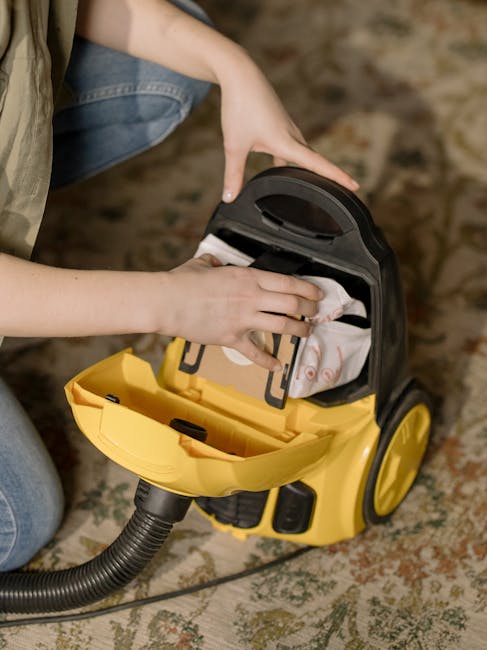
- Used cloths, pads, or filters that have trapped residue.
- Packaging and chemical containers from detergents or stain removers.
The question most people ask is: can you pour carpet cleaning water down the drain? Sometimes household cleaning water may be acceptable in small quantities if it contains only mild detergent and ordinary dirt, but you should be careful. If the water contains heavy soil load, strong chemicals, fat, pet waste, or other contaminants, it should be handled more cautiously. To be fair, that is where many people get tripped up - the water looks harmless, but it is carrying much more than meets the eye.
If you are working with steam cleaning or hot water extraction, the waste is usually collected in the machine's tank. That collected water should be emptied responsibly, with any solids strained out first where possible. For stubborn residues, a separate waste container or settling method can help. If you need a deeper clean that produces more residue, a service such as steam carpet cleaning or stain removal often needs a bit more planning around waste handling.
In plain terms, think of the process like this:
- Collect the waste instead of letting it run uncontrolled.
- Separate liquid from solids wherever possible.
- Dispose of each waste stream by the safest practical route.
- Clean and rinse equipment so residue does not build up and smell later.
That last point matters more than people think. A damp machine left in a hallway or utility room can develop a sour smell by the next morning. You know the one.
Key benefits and practical advantages
Following sensible waste rules is not only about avoiding problems. It actually makes the cleaning job better. Here is how.
- Less blockage risk: fewer fibres and solids end up where they should not.
- Better hygiene: dirty water and debris are contained instead of spreading around the property.
- Cleaner finish: equipment works more effectively when residue is removed properly.
- Lower odour risk: old wastewater and trapped soil are a common cause of lingering smells.
- More professional presentation: especially useful for rental check-outs, guest turnovers, and workplaces.
There is also a trust benefit. When someone sees that waste has been managed carefully, they are more likely to trust the rest of the cleaning too. This is one reason a proper service standard matters in complementary jobs such as domestic cleaning, one-off cleaning, and deep cleaning.
And for businesses, there is the quieter benefit of consistency. If staff know what to do with waste every time, you avoid those awkward "where do I tip this?" moments. Nothing dramatic. Just smoother operations. Which, let's face it, is usually the whole point.
Who this is for and when it makes sense
This topic is relevant to far more people than you might expect.
- Homeowners cleaning carpets after pets, spills, or seasonal deep cleans.
- Renters trying to leave a property tidy at the end of a tenancy.
- Landlords and agents managing turnovers and protecting communal drainage systems.
- Cleaning contractors who need a repeatable disposal method.
- Businesses cleaning carpets in offices, shops, or shared spaces.
It also makes sense whenever you are dealing with more than a quick surface vacuum. If a task creates liquid residue, waste pads, or a noticeable amount of loosened dirt, the disposal question becomes part of the job. That applies to commercial carpet cleaning, rug cleaning, and even upholstery cleaning where rinse water and cloths need careful handling.
A small real-world example: a tenant in Harringay cleans a bedroom carpet before check-out, only to realise the wastewater tank is full of muddy residue from footwear, pet dander, and detergent. That is not something to be tipped casually into a sink without thinking. A few minutes of preparation would have saved a lot of doubt.
Step-by-step guidance
Here is a practical way to handle carpet cleaning waste without overcomplicating it.
- Pre-inspect the carpet. Look for heavy soil, pet mess, food residue, or renovation dust. The dirtier the carpet, the more contaminated the waste water is likely to be.
- Choose the right method. Dry soil extraction, bonnet cleaning, or low-moisture methods may produce less waste than full wet extraction. That may matter in flats or properties with limited disposal options.
- Use a collection container. Capture wastewater in the machine tank or a dedicated bucket rather than letting it spread.
- Strain solids where appropriate. Remove lint, hair, and debris before any liquid disposal, if your setup allows it safely.
- Dispose responsibly. Follow the property's permitted waste and drainage arrangements, and avoid disposing of anything hazardous or oily through unsuitable routes.
- Rinse equipment. Clean tanks, hoses, and filters so waste does not harden or smell.
- Dry and ventilate. Open windows or use airflow so damp residue does not hang around.
If you are preparing for a move, you may also want to pair carpet cleaning with move out cleaning or move in cleaning, since those jobs often create multiple waste streams at once. It sounds obvious, but jobs tend to get messier when people rush them at the end of the day.
One useful habit: keep a "waste station" set up before you start. A lined bin, gloves, a strainer, and a spare cloth can save a surprising amount of faff later.
Expert tips for better results
Most waste problems are preventable. A few small changes make everything easier.
- Work dry first. Vacuum thoroughly before using any liquid. Less soil in the carpet means less sludge in the tank.
- Use the minimum effective moisture. Over-wetting creates more waste and longer drying times.
- Keep chemical use measured. More detergent does not equal more clean. In fact, excess residue can leave carpets sticky and create extra rinse waste.
- Separate pet-related waste carefully. If you are dealing with odour or accident spots, treat the residue more cautiously than normal dust and lint. Our pet stain and odour removal approach reflects that reality.
- Do not wait until the end. Empty and manage waste during the job if needed, rather than filling the tank to the brim and hoping for the best.
Another small tip: if you are cleaning in a shared building, let neighbours or residents know if you will need access to utility areas. It avoids the awkward corridor shuffle with a sloshing bucket. Been there, done that, not ideal.
If you are cleaning soft furnishings at the same time, you may find it easier to organise everything under one plan using sofa cleaning and mattress cleaning in the same visit. That can reduce repeated waste handling.
Common mistakes to avoid
The biggest mistakes are usually simple ones. That is almost comforting, in a strange way, because simple mistakes are usually easy to fix.
- Pouring thick wastewater straight into a drain without checking what is in it.
- Leaving dirty water sitting overnight in a tank or bucket.
- Mixing all waste together instead of separating solids and liquids where practical.
- Using too much detergent and creating extra residue.
- Ignoring smells from used filters, cloths, or machine parts.
- Forgetting communal rules in flats, offices, and shared properties.
One of the most common issues we see is people assuming "cleaning waste" must be harmless because the task itself is domestic. But carpet water can carry a surprising amount of grime. Add stain treatments or pet contamination and the picture changes quickly.
If the carpet clean follows renovation work, the risks rise again. Fine dust, plaster particles, and builder residue can turn a simple wash into something much more abrasive. In those cases, pairing the job with after builders cleaning can make the whole process tidier and more manageable.
Tools, resources and recommendations
You do not need a giant kit to handle carpet cleaning waste properly, but a few tools help a lot.
- Wet vacuum or extraction machine with a clean wastewater tank.
- Microfibre cloths for wiping residue and spills.
- Fine mesh strainer for separating lint and solids from liquid waste.
- Heavy-duty liners or bins for used pads, cloths, and filters.
- Protective gloves for handling dirty residue.
- Ventilation through open windows or fans to help drying.
For homeowners who want a broader clean, pairing carpet work with house cleaning or regular cleaning can reduce how much dirt gets embedded in the first place. Less built-up dirt means less waste later. Simple, but true.
If you are deciding between a few cleaning approaches, you might also think about the fabric type. Wool, synthetic blends, and delicate rugs behave differently. A method that works beautifully on one surface can over-wet another. That is why services like hard floor cleaning and curtain cleaning are not just "add-ons"; they often need different waste handling altogether.
Law, compliance, standards, or best practice
Without pretending to give legal advice, the safest approach is to align with general UK waste, drainage, and environmental best practice. In practical terms, that means not causing a nuisance, not polluting drains, and not dumping contaminated wastewater where it could create a problem. For businesses, the bar is naturally higher because disposal forms part of operational responsibility.
Best practice usually includes:
- keeping wastewater contained until it can be disposed of appropriately;
- avoiding the release of solids into drains or outside spaces;
- using suitable cleaning chemicals and following product instructions;
- storing waste safely until collection or disposal;
- keeping a simple internal process that staff can follow consistently.
If your work involves multiple properties or commercial sites, it is also sensible to think in terms of documented process. A clear method for waste handling reduces confusion and supports safer working conditions. That links neatly with our health and safety policy and insurance and safety guidance, which are useful reference points for service expectations.
For businesses and landlords especially, this is not just a nice-to-have. A small slip now can become a bigger issue later if waste practices are inconsistent. Better to keep it boring and correct. Boring is underrated, honestly.
Options, methods, or comparison table
Different carpet cleaning methods produce different kinds of waste. Choosing the right one can make disposal much easier.
| Method | Waste produced | Best use case | Waste-handling note |
|---|---|---|---|
| Steam / hot water extraction | Higher volume of wastewater, loosened soil, fibres | Deep cleans and heavily soiled carpets | Collect wastewater carefully; empty and rinse tanks promptly |
| Low-moisture cleaning | Less liquid, more pads or soil residue | Quick-dry jobs, busy homes, commercial spaces | Focus on solid waste disposal and used textiles |
| Spot treatment only | Minimal liquid, small cloth waste | Localised stains and touch-ups | Usually the simplest option, but still avoid excess chemicals |
| Dry soil removal before wet clean | Dust, grit, hair, small debris | Routine preparation step | Vacuum waste should be bagged and disposed of properly |
The table above is a good reminder that "best" depends on context. A family home after winter slush is not the same as a retail unit after a routine spruce-up. Sometimes a low-moisture approach is enough. Sometimes you need deeper extraction and more controlled disposal. No mystery there.
Case study or real-world example
A small office in Haringey had three carpeted rooms and a corridor that looked fine at first glance, but the soil load told another story once cleaning began. Staff tracked in street grit, coffee splashes had settled into one corner, and a forgotten leak near a plant stand left a faint damp mark. Nothing dramatic, just the usual everyday build-up.
The cleaning team used a pre-vacuum, then spot treated the stained areas before extraction. Rather than letting the wastewater overflow into a sink at the end, they emptied tanks in stages, strained visible fibres, and kept used cloths separate from the liquid waste. The result was cleaner equipment, no sour smell in the trolley area, and a quicker reset for the next room.
What made the difference? Not a fancy product. Just process.
That is usually the pattern with waste handling. Once the system is in place, it stops feeling like a separate problem. It becomes part of the job, quietly handled in the background. For a busier site, combining the clean with commercial cleaning or office cleaning can make the whole thing more efficient.
Practical checklist
Use this quick checklist before, during, and after a carpet clean.
- Vacuum thoroughly before any wet work.
- Identify stains, pet spots, and heavy soil areas in advance.
- Prepare a container for wastewater and a separate bin for solids.
- Use only the amount of cleaning solution you actually need.
- Keep dirty tanks, cloths, and filters out of food-prep or living areas.
- Empty wastewater responsibly and do not leave it sitting around.
- Rinse equipment after use.
- Ventilate the room and allow carpets to dry properly.
- Check communal or building rules if you are in flats or managed premises.
- Review whether a deeper service is needed for stubborn odours or heavy contamination.
If you are planning a wider refresh, services like Airbnb cleaning, move-in cleaning, and move-out cleaning can help you time the work sensibly so you are not handling waste twice.
Conclusion
Haringey council rules for carpet cleaning waste are ultimately about doing the simple things well: collect waste, separate solids from liquids where possible, avoid careless drainage, and keep the work area clean. That approach protects your property, supports better hygiene, and makes the whole cleaning process feel less chaotic.
It also gives you more control. When waste handling is sorted, everything else gets easier - the drying, the finishing, even the final walkthrough. A tidy process tends to produce a tidy result. Funny how that works.
If you are not sure which method suits your property, or you want a cleaner result with less mess to manage afterwards, the sensible next step is to plan the job around the carpet type, the stain level, and the disposal route before you begin.
Get a free quote today and see how much you can save.
And if you want to understand more about the people behind the service, you can also read about us or review our terms and conditions before booking. It is always nice to know what sort of hands are coming into your home, isn't it?
Frequently Asked Questions
Can I pour carpet cleaning wastewater down the sink in Haringey?
In some cases, small amounts of mild cleaning water may be acceptable, but it depends on what is in it. If the wastewater contains heavy soil, pet residue, strong chemicals, or lots of fibres, it is better to handle it more carefully and avoid making assumptions.
What counts as carpet cleaning waste?
It usually includes dirty extraction water, loose fibres, lint, dust, used cloths, filters, and any leftover packaging or containers from cleaning products. In pet-heavy or heavily soiled jobs, the waste can be more contaminated than people expect.
Do I need to separate solids from liquid waste?
Yes, where practical. Removing hair, lint, grit, and other solids before disposal helps reduce blockages and makes the waste easier to manage. A simple strainer or filter can help a lot.
Is carpet cleaning waste treated as hazardous waste?
Not always. Most household carpet cleaning waste is not automatically classed as hazardous, but it can become more problematic if it contains strong chemicals, oil, bodily fluids, or other contaminants. If in doubt, be cautious and do not guess.
What should I do with used cloths and filters?
Used cloths, pads, and filters should be bagged and disposed of separately from clean household waste where possible, especially if they are heavily soiled or saturated. Leaving them damp in an open bin is a quick way to create a smell.
Does Haringey council have special rules for landlords or tenants?
The core principle is the same: dispose of waste responsibly and avoid causing drainage or environmental problems. Landlords and tenants may also have property-specific rules, particularly in flats or managed buildings, so it is wise to check local arrangements.
What is the safest way to dispose of wastewater from steam carpet cleaning?
The safest approach is to collect it in the machine tank, keep solids out where possible, and empty it carefully in line with appropriate waste and drainage practice. If the water is visibly dirty, treat it as contaminated rather than ordinary rinse water.
Can carpet cleaning waste smell bad if left overnight?
Absolutely. Wastewater, damp cloths, and dirty filters can start to smell quite quickly, especially in warm rooms. Emptying and rinsing equipment the same day is one of the easiest ways to avoid that.
How do I reduce the amount of waste carpet cleaning creates?
Vacuum first, use the right amount of moisture, avoid overusing detergent, and choose a method suited to the carpet condition. A better pre-clean usually means less sludge later. Simple, but effective.
Should carpet cleaning waste be handled differently in commercial properties?
Yes. Commercial sites often need a more consistent process because there may be shared drainage, larger volumes of waste, and higher hygiene expectations. A planned method is especially useful for offices, retail units, and communal areas.
What if the carpet has pet accidents or body fluids?
That waste should be treated more cautiously than normal dirt and rinse water. Use protective gloves, separate contaminated materials, and avoid casual disposal. In those cases, a specialist service such as pet stain and odour removal is often the safer route.
Do I need professional help for carpet cleaning waste?
Not always, but it can help if you are dealing with heavy soil, large rooms, shared buildings, or sensitive surfaces. If you want a cleaner finish and less disposal stress, professional support can be worth it.