Common carpet cleaning mistakes Haringey landlords should avoid
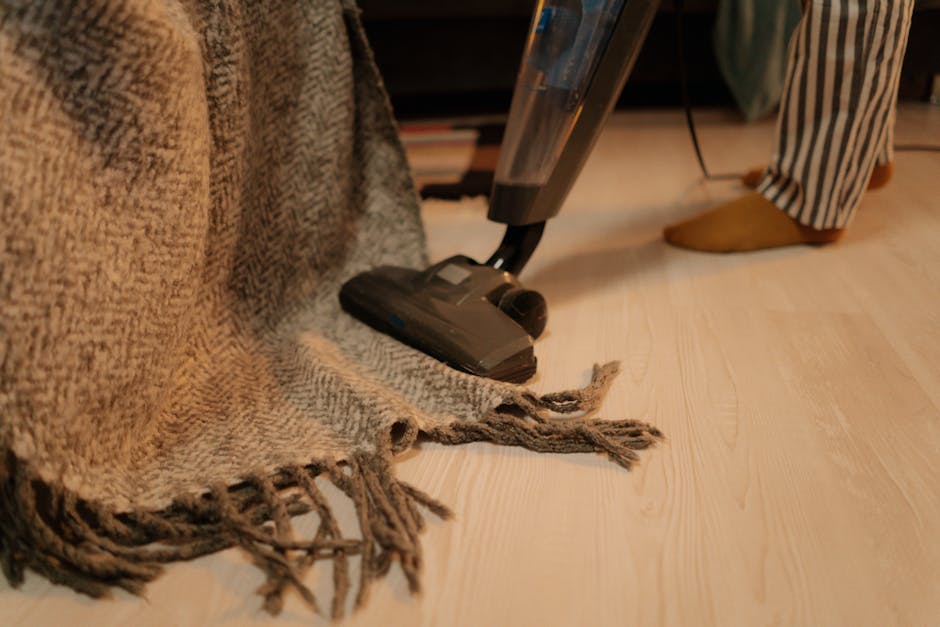
If you rent out property in Haringey, carpets can be a quiet source of stress. They look simple enough until a tenant moves out, a stubborn mark refuses to budge, or a rushed clean leaves the pile damp and smelling a bit off by the next morning. The truth is, common carpet cleaning mistakes Haringey landlords should avoid are usually not dramatic disasters; they are small avoidable errors that add up to poor presentation, longer void periods, and awkward deposit conversations.
This guide breaks down the mistakes landlords make most often, why they matter in real letting situations, and how to clean smarter without overcomplicating things. If you want carpets that look better for viewings, inspections, and end-of-tenancy handovers, you are in the right place.
Why Common carpet cleaning mistakes Haringey landlords should avoid Matters
Carpets do a lot of invisible work in a rental property. They absorb foot traffic from hallways, mud from wet shoes, pet smells, cooking odours drifting from the kitchen, and the general wear that comes with people living their lives. In a busy London borough like Haringey, where many lets turn over quickly, that build-up can become noticeable fast.
Why does this matter so much? Because carpets are one of those details tenants notice immediately, even if they do not mention them. A clean carpet can make a flat feel brighter, warmer, and better cared for. A damp, patchy, or heavily perfumed carpet does the opposite. Let's face it, no one likes walking into a property and catching that slightly sour "cleaning product over something worse" smell.
For landlords, the stakes are practical. Poor cleaning can lead to:
- slower re-let times during void periods
- more disputes at check-out
- extra cleaning or repair costs later
- unnecessary wear from repeated DIY attempts
- a poorer first impression during viewings
There is also a more subtle point: once a carpet has been over-wet, over-brushed, or treated with the wrong product, the damage may not be obvious straight away. It can show up days later as resoiling, wicking stains, or a flat-looking patch that never quite recovers. That is the kind of mistake that quietly eats into margin. Not glamorous, but real.
Expert summary: Good carpet care is less about aggressive scrubbing and more about controlled cleaning, correct product choice, proper drying, and knowing when to stop doing it yourself.
How Common carpet cleaning mistakes Haringey landlords should avoid Works
To understand the mistakes, it helps to understand what a carpet clean is trying to achieve. In simple terms, the process should remove loose soil, lift embedded dirt, treat stains safely, and leave the fibres as dry and stable as possible.
That usually means the cleaner starts with inspection. What fibre is the carpet made from? Is it wool, synthetic, or a blend? Is there visible staining, pet odour, traffic lane wear, or bleach damage already? Then comes vacuuming, spot testing, pre-treatment, agitation where needed, extraction or low-moisture cleaning, and drying.
The mistakes happen when one of those stages is rushed, skipped, or done too aggressively. For example, a landlord may spot-clean only the stain and ignore the surrounding area. The result? A neat circle of cleaner carpet in the middle of a dirty patch. You will see this a lot with DIY stain removal, especially on older rentals where the carpet has a lot of general soiling.
Another common issue is the use of too much water. A carpet may look cleaner straight away, but excess moisture can push dirt deeper into the backing, extend drying times, and even create odour problems. In flats and maisonettes where airflow is limited, this is especially annoying. It can linger for hours, sometimes longer.
If you want a properly controlled clean, it often makes sense to use a service built around professional carpet cleaning rather than treating every carpet like a patch of kitchen tile. That sounds obvious, but people do forget it in the rush of a tenancy changeover.
For landlords managing whole properties, the same principle applies across rooms. A bedroom carpet, a hallway runner, and a living room rug all behave differently. For matching textiles elsewhere in the property, a service such as rug cleaning or upholstery cleaning may be useful, because the same mistake is often made across soft furnishings: too much product, too much water, not enough drying control.
Key Benefits and Practical Advantages
Getting carpet care right is not just about appearance. There are clear practical advantages for landlords who avoid the usual pitfalls.
- Better presentation for viewings: Fresh, evenly cleaned carpets make rooms feel lighter and more cared for.
- Fewer deposit arguments: You are less likely to end up debating whether a stain was pre-existing, worsened, or badly treated.
- Longer carpet life: Gentle, correct cleaning preserves fibres and backing materials.
- Less lingering odour: Especially important in pet-friendly lets or older properties.
- Faster turnaround: Good drying practices help you move on to the next tenancy sooner.
There is also a confidence benefit that landlords sometimes underestimate. When the carpet looks and smells right, the whole property feels under control. That matters during inspections, but it also matters for your own peace of mind. A small thing, maybe. Still useful.
And if the property sees heavy tenant turnover, regular maintenance can be the difference between a carpet that ages gracefully and one that looks tired far too soon. That is where a sensible schedule, such as regular cleaning, can be more cost-effective than waiting for damage to stack up and then doing a desperate deep clean at the end.
Who This Is For and When It Makes Sense
This advice is for landlords, letting agents, and property managers who want carpets to stay presentable without creating extra work later. It is especially relevant if you let:
- single-family homes with children or pets
- flats with carpets in entrance hallways or stairs
- shared houses where foot traffic is constant
- furnished or partly furnished properties
- short-lets or Airbnb-style lets that need quick turnaround
It also makes sense if your property is about to undergo a change of use. For instance, if a tenant has moved out and you are preparing for new occupants, carpet care should usually be reviewed alongside broader tasks such as end of tenancy cleaning or move out cleaning. The carpet is rarely the only thing that needs attention, of course, but it is often the part that trips people up.
Landlords in Haringey who manage multiple properties may also need a more standardised approach. If you are juggling voids, inspections, and maintenance call-outs, it is easier to build a simple cleaning routine than to reinvent the wheel every time. That sounds boring. It is boring. But it works.
Step-by-Step Guidance
Here is a practical sequence you can use to avoid the most common mistakes and make better decisions whether you are cleaning yourself or hiring help.
- Inspect the carpet properly. Look for wear, stains, burn marks, loose seams, odours, and fibre type. Take photos before anything is touched.
- Vacuum thoroughly. This removes loose dirt and makes treatment more effective. Skipping this is a classic shortcut that backfires.
- Test any product in an unseen area. A small patch near a skirting board can save a lot of grief. It is not exciting, but it is wise.
- Treat stains according to type. Protein stains, grease, mud, and dye transfer do not all behave the same way. One product rarely suits everything.
- Use the right moisture level. The carpet should be cleaned, not flooded. Excess water is one of the biggest causes of after-cleaning problems.
- Extract or rinse properly. Leftover detergent attracts new dirt, which is why some carpets look worse again very quickly.
- Dry fast and evenly. Open windows where possible, improve airflow, and avoid replacing furniture too soon.
- Recheck after drying. Some stains reappear as the fibres dry. It is better to notice that before the new tenant does.
That final recheck is a small thing that makes a big difference. I have seen carpets look fine at 11 a.m. and then show a faint yellow shadow by late afternoon. It happens. Better to catch it early.
Expert Tips for Better Results
If you want cleaner carpets with fewer surprises, these are the habits that tend to pay off.
- Think in layers. Remove dry soil first, then treat spots, then clean the whole area. Going straight to shampoo on a dirty carpet just smears things around.
- Keep an eye on edges and thresholds. Hallway edges and doorways trap dirt most heavily, and they are often missed in a quick clean.
- Use restraint with fragrance. Strong perfume can hide odour for a few hours, but it does not solve the cause. In some cases it only makes the property smell more suspicious.
- Control traffic during drying. If people keep walking over damp fibres, dirt comes straight back in.
- Document what you find. Photos, notes, and dates help if there is a later tenant query.
One simple but effective tip: stand at the doorway and look across the carpet in natural light. You will notice shading, tide marks, and missed lanes more easily that way. Artificial light hides all sorts of sins. Carpet cleaning is a little like editing a photo; the wrong light makes everything look acceptable until it is not.
If a property has deeper grime rather than just surface dullness, a more intensive approach such as deep cleaning may be more suitable than a light refresh. The key is matching the method to the condition, not just the calendar.
Common Mistakes to Avoid
This is the section most landlords need, because these are the errors that keep repeating in real rentals.
1. Over-wetting the carpet
Too much water can push dirt downward, extend drying time, and leave musty odours behind. In flats with limited ventilation, it can be worse. A carpet that feels soggy underfoot at tea-time may still be damp the next morning.
2. Using the wrong cleaner on the wrong fibre
Wool, synthetic blends, and delicate pile constructions do not all react the same way. Harsh chemicals can distort colour or texture. If you are not sure what the carpet is made from, treat it cautiously.
3. Scrubbing stains too hard
Scrubbing often spreads the stain and frays the pile. Blotting, controlled treatment, and patience usually win. It is not as satisfying as attacking the mark with energy, but carpets are not impressed by enthusiasm.
4. Ignoring odour sources
Pet smell, spill residue, and damp underlay issues can linger even if the visible surface looks clean. That is why pet stain odour removal can be more relevant than a general clean when the property has housed animals.
5. Leaving detergent behind
Residual cleaning solution attracts dirt and creates rapid re-soiling. If you have ever cleaned a carpet and wondered why the stain came back, this is often why.
6. Cleaning only the obvious mark
Spot-only treatment can make the area around the stain look uneven. It is one of the most common visual mistakes, especially in living rooms and around sofa edges.
7. Rushing drying time
Putting furniture back too early can leave rust marks, dents, or trapped moisture. The carpet might look done, but it is not finished yet. Not even close sometimes.
8. Using too much fragrance to mask problems
Air fresheners and heavy scent products can disguise the issue for a bit, but they do not remove contamination. A clean carpet should smell neutral, not theatrical.
9. Forgetting the surrounding textiles
If carpets have absorbed smells from nearby curtains, sofas, or mattresses, cleaning only the floor can be frustratingly incomplete. In those cases, services like sofa cleaning or mattress cleaning may be needed too.
10. Not checking for pre-existing wear
Some marks are not stains at all. They are traffic wear, fibre crush, sun fading, or old water damage. Treating them like fresh dirt wastes time and can make them more visible.
Tools, Resources and Recommendations
You do not need a warehouse of gear to avoid these mistakes. You do need the right basics and a bit of discipline.
- Good vacuum cleaner: Strong suction and a clean filter matter more than people think.
- Microfibre cloths: Better for blotting than paper towels, which can fall apart.
- Test kit or spot test habit: Even if you do not use a formal kit, always test in a hidden area.
- Fan or airflow plan: Drying is part of cleaning, not an optional extra.
- Photo record: Before and after images help with property management and tenant discussions.
For landlords who prefer a low-fuss approach, it can help to combine carpet care with broader cleaning maintenance. Services like one off cleaning, domestic cleaning, or house cleaning can make sense when a property needs a wider reset rather than a single-room tidy-up.
And if the property has hard flooring as well, do not treat it all the same way. Carpets and wood or tile need different methods, and that is where a separate hard floor cleaning approach can keep you from making a messy compromise.
Law, Compliance, Standards or Best Practice
For landlords, carpet cleaning sits inside a wider duty of care around property condition, cleanliness, and tenant handover expectations. The exact obligations depend on the tenancy agreement, property type, and the wider facts of the case, so it is wise to avoid overclaiming. Still, a few best-practice points are worth keeping in mind.
First, document the condition of carpets at check-in and check-out. Clear records help everyone understand what changed during the tenancy. Second, follow product instructions and safety guidance carefully. Some carpet treatments are fine on one fibre and risky on another. Third, avoid creating a damp or unsafe environment during cleaning; wet floors, trailing cables, and poor ventilation are all preventable hazards.
Professional providers should also be able to discuss safe working methods, insurance, and complaint procedures. If you are comparing suppliers, those are sensible trust signals, not extras. Pages such as insurance and safety, health and safety policy, and terms and conditions can help you understand how a company works and what it expects from both sides.
If you are arranging work for shared buildings or managed blocks, you may also want to look at communal area cleaning, because stairwells, lobbies, and shared entrances often influence how residents perceive the whole property. Same with letting standards in general: the carpet rarely stands alone.
One last point. If you are ever unsure whether a stain, smell, or fibre issue is simple dirt or something more structural, do not guess wildly. A cautious assessment beats a heroic DIY attempt that turns into a problem. Every time.
Options, Methods or Comparison Table
Landlords usually choose between doing the carpet work themselves, using a basic machine hire, or booking a professional clean. Each option has trade-offs.
| Method | Best for | Strengths | Risks or limits |
|---|---|---|---|
| DIY spot cleaning | Small fresh marks | Fast, cheap, convenient | Easy to overdo; can create patchy results |
| Machine hire or basic extraction | Light to moderate soiling | More thorough than spot treatment | Often over-wets carpets if used carelessly |
| Professional carpet cleaning | End of tenancy, heavy traffic, odour issues | Better stain assessment, safer method choice, better drying control | Higher upfront spend, though often better value over time |
| Full property refresh | Void periods and difficult handovers | Addresses carpets, soft furnishings, and general presentation together | More planning needed |
For many landlords, the best choice is not the cheapest in the moment. It is the one that avoids repeat visits, prevents damage, and leaves the property ready sooner. That is especially true when you are comparing it with broader services such as move in cleaning or move out cleaning, where timing and presentation both matter.
Case Study or Real-World Example
A landlord managing a two-bedroom flat in Haringey had one recurring issue: the living room carpet looked okay at a glance, but every new tenancy seemed to start with a complaint about marks near the sofa and a faint pet smell by the window. The landlord had been spot-cleaning the obvious stain with a supermarket product, then allowing the carpet to dry slowly with the heating off and the windows shut.
The result was predictable, once you looked closely. The carpet had a bright cleaned patch in the middle, but the surrounding fibres held old soil. The stain kept "coming back" because it was not fully lifted. The smell was not from the surface alone either; it had settled into the under-layer and nearby upholstery. The issue was not dramatic. It was just a string of small missteps.
On the next turn-round, the landlord changed approach. They vacuumed first, treated the area more carefully, avoided over-wetting, opened the windows, and had the sofa cleaned at the same time. The room looked more even, the odour was reduced, and the property was ready for viewings without that slightly stale feeling that can hang around after a rushed clean.
The lesson? Most carpet problems are not fixed by being more aggressive. They are fixed by being more methodical. Annoying, maybe. Effective, absolutely.
Practical Checklist
Use this quick checklist before a tenancy ends, before a viewing, or before you hand work to a cleaner.
- Inspect the carpet in daylight and under room lighting.
- Check for stains, odours, wear lanes, and fibre damage.
- Vacuum slowly and thoroughly before any treatment.
- Test cleaning products in a hidden area first.
- Match the method to the carpet type and stain type.
- Avoid flooding the pile with water or solution.
- Blot, do not scrub, where possible.
- Ventilate the room and monitor drying time.
- Reinspect once dry for wicking or uneven patches.
- Photograph the result for your property records.
If you work through that list calmly, you will avoid most of the costly mistakes. Simple, really. Not always easy, but simple.
Get a free quote today and see how much you can save.
Conclusion
For Haringey landlords, carpet cleaning is one of those jobs that looks minor until it starts causing delays, complaints, or expensive rework. The biggest mistakes are usually not dramatic. They are over-wetting, scrubbing too hard, using the wrong product, forgetting to dry properly, or treating a whole tenancy like a single stain on the floor. Small errors, big consequences.
If you stay methodical, document the condition, and choose the right method for the carpet in front of you, you will avoid most of the pain. And if the job looks bigger than a quick DIY fix, that is not failure. It is just good judgement. Truth be told, that is often what protects the property best.
Clean carpets make a property feel calmer, fresher, and easier to live in. That is a good place to leave things, especially when the next tenant is about to walk through the door.
Frequently Asked Questions
What are the most common carpet cleaning mistakes landlords make?
The most common mistakes are over-wetting, scrubbing stains too hard, using the wrong cleaning product, leaving detergent residue behind, and not allowing enough drying time. Spot-only cleaning is another big one because it often creates a patchy finish.
Should a landlord clean carpets after every tenant?
Not always, but it is usually sensible to inspect carpets carefully at each changeover. If the carpet has visible soiling, odour, or heavy traffic wear, a clean is often worthwhile before the next tenancy begins.
Is DIY carpet cleaning enough for rental properties?
For light marks, sometimes yes. For end-of-tenancy work, pet odours, or older carpets, DIY methods can be hit and miss. The main risk is doing a quick fix that leaves the problem half-solved and more obvious later.
Why do carpet stains come back after cleaning?
This usually happens because moisture draws residue back up from the backing as the carpet dries. It can also happen when detergent is left behind or when the stain was not fully removed in the first place.
How long should a carpet dry after cleaning?
Drying time depends on the method used, airflow, humidity, and pile density. A carpet should feel properly dry before heavy foot traffic or furniture replacement. If it still feels cool and damp, give it more time.
Can strong-smelling products hide carpet odour problems?
Only temporarily. They may mask the smell for a while, but they do not remove the source. If the odour is from pet accidents, spill residue, or damp underlay, the cause needs proper treatment.
What is the safest way to remove a stain from rental carpet?
Blot first, test any product in a hidden area, and use the gentlest effective method for the stain type. Avoid aggressive scrubbing. If you are unsure what caused the stain, stop and assess rather than guessing.
Are professional carpet cleaning services worth it for landlords?
Often, yes, especially where turnover is frequent or the carpet is a key feature of the property. A good professional clean can save time, reduce rework, and improve the overall presentation of the let.
What should I record before and after carpet cleaning?
Photograph stains, wear, and overall condition before cleaning, then take after photos once the carpet is fully dry. A short written note about products used, drying time, and any persistent issues is also useful.
Do carpets and rugs need different cleaning approaches?
Usually, yes. Rugs can use different fibres, dyes, and backings, so a carpet method is not always appropriate. If a property has both, it helps to treat them as separate items rather than one big soft-surface job.
When should a landlord stop DIY and call in help?
If the stain is old, the odour is persistent, the carpet is delicate, or the property needs a fast handover, it is usually time to get help. The same goes for situations where a previous cleaning attempt has already gone wrong.
Does carpet cleaning help with end-of-tenancy disputes?
It can, mainly because clear cleaning records and good photos make it easier to show the condition before and after. That does not remove every disagreement, but it does make discussions more grounded and less emotional.