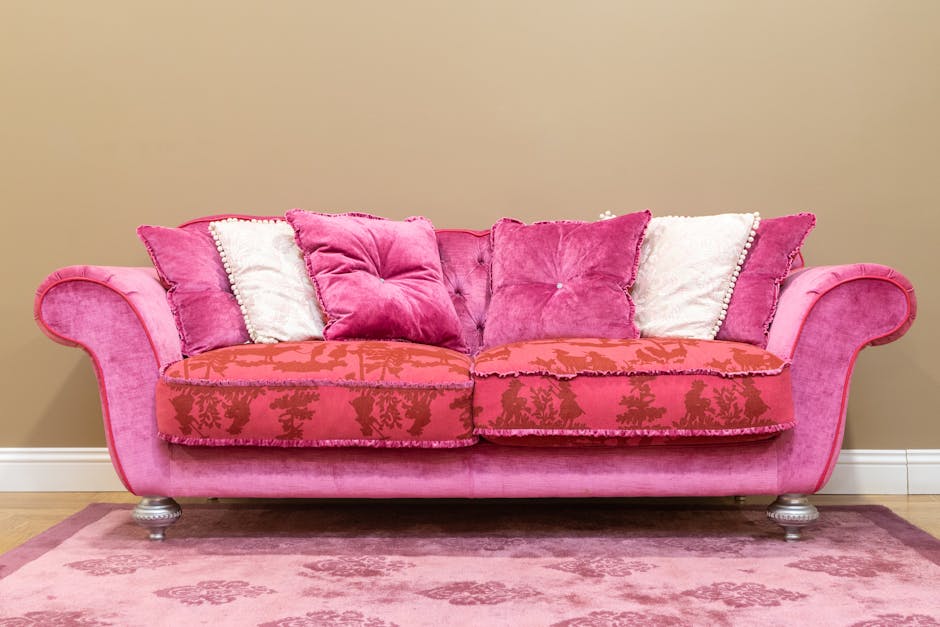
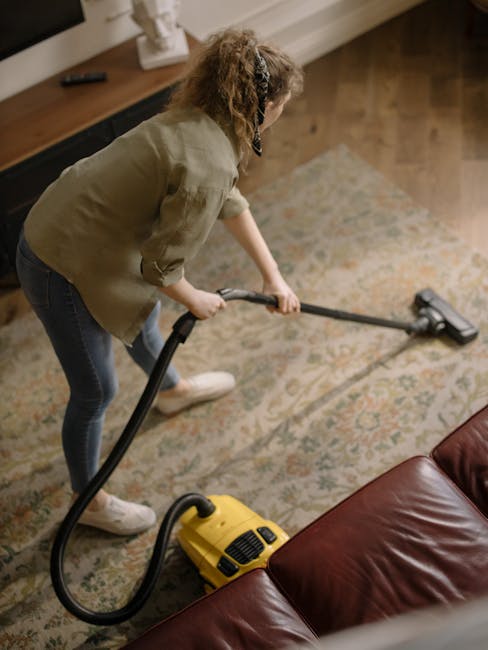
Alexandra Palace upholstery cleaning and rug care Haringey: a practical local guide
If your sofa has started to look tired, your armchair smells a bit stale after winter, or your rug has taken one too many knocks from muddy shoes and everyday life, you are not alone. In homes around Alexandra Palace, upholstery and rugs do a lot of quiet work. They soften rooms, take the brunt of family life, and somehow end up holding onto dust, spills, pet hair, and that mysterious patch no one admits to making. That is exactly why Alexandra Palace upholstery cleaning and rug care Haringey matters: it is not just about appearances, but about protecting fabrics, keeping your home fresher, and helping your furnishings last longer.
This guide walks through how professional cleaning works, when it makes sense, what to avoid, and how to care for different materials without making a costly mistake. I'll also cover local considerations, trust factors, and a few practical checks you can use before booking anything. Straightforward, useful, and yes, a little real-world too.
Table of Contents
- Why Alexandra Palace upholstery cleaning and rug care Haringey Matters
- How Alexandra Palace upholstery cleaning and rug care Haringey Works
- Key Benefits and Practical Advantages
- Who This Is For and When It Makes Sense
- Step-by-Step Guidance
- Expert Tips for Better Results
- Common Mistakes to Avoid
- Tools, Resources and Recommendations
- Law, Compliance, Standards, or Best Practice
- Options, Methods, or Comparison Table
- Case Study or Real-World Example
- Practical Checklist
- Conclusion
- Frequently Asked Questions
Why Alexandra Palace upholstery cleaning and rug care Haringey Matters
Upholstery and rugs are different from hard flooring in one important way: they absorb life as it happens. A sofa in a busy family home near Alexandra Palace can collect crumbs, body oils, pet dander, and fine dust long before it looks "dirty" in the obvious sense. Rugs do the same, especially in entrance spaces, living rooms, and hallways where shoes, rainwater, and traffic all meet.
People often wait until stains become obvious. Truth be told, by then the fabric may already be holding on to residue that is harder to remove. Regular care can help reduce dullness, flattening, and lingering smells, while also supporting a cleaner indoor environment. That matters if you have children, pets, allergies, or simply want your place to feel a bit more looked-after.
There is also a value angle. A well-maintained sofa or rug tends to stay presentable for longer, which can delay replacement and protect the overall feel of your home. In a practical sense, that is money saved and hassle avoided. Not glamorous, but very real.
For local readers exploring more about homes and living in the borough, it can also help to look at the broader context of Haringey through this guide to the vibrant Haringey community and local views on dwelling in Haringey. They are useful reads if you are thinking about home upkeep in a wider neighbourhood sense.
How Alexandra Palace upholstery cleaning and rug care Haringey Works
Professional upholstery and rug cleaning usually starts with identification, not machinery. That sounds obvious, but it is the part that separates careful work from guesswork. Different fibres respond differently to moisture, agitation, heat, and cleaning products. Wool, cotton, silk blends, synthetic fabrics, velvet, and mixed upholstery all need slightly different treatment.
In a typical process, the cleaner will inspect the item, test a small hidden area, and look for wear, colour transfer risk, previous spot treatment, or fragile stitching. After that comes dry soil removal. Vacuuming is not a throwaway step; it removes grit and dust that would otherwise turn into muddy residue once moisture is introduced.
Then the cleaning method is chosen. For many upholstered items and rugs, hot water extraction or low-moisture cleaning may be suitable. Some materials need gentler methods such as controlled foam, hand cleaning, or specialist spot treatment. A rug care job may also include edge cleaning, deodorising, pile restoration, and careful drying support. If the fibres are natural, there is usually more caution. If the item is antique, handwoven, or delicate, there is even more.
Drying is the part people underestimate. A clean item that dries too slowly can develop odours, wicking marks, or distorted texture. Good practice is to use airflow, sensible ventilation, and the right amount of moisture from the start. No drama. Just careful handling.
If you want a sense of how upholstery cleaning sits within a wider home-care service range, it can help to browse upholstery cleaning in Haringey, the broader services overview, and related options such as carpet cleaning in Haringey.
Key Benefits and Practical Advantages
There are a few clear reasons people choose professional upholstery and rug cleaning rather than trying to tackle everything themselves.
- Better stain management: Fresh spills and older marks can often be treated more effectively with the right technique than with household spot cleaners.
- Improved appearance: Fabrics often look brighter, less flattened, and more even after a proper clean.
- Odour reduction: Lingering smells from pets, food, or everyday use can be reduced when residue is removed, not just masked.
- Fabric protection: Correct cleaning can support the life of the item by removing grit and grime that wear down fibres.
- Healthier-feeling home: While cleaning is not a medical treatment, reducing dust and allergens in soft furnishings often makes a home feel fresher.
- Better long-term value: Keeping a sofa or rug in good condition can delay replacement, which is rarely cheap, let's face it.
There is also a less obvious benefit: confidence. If you have guests coming over, you are not hovering over the cushion with a throw blanket and a silent prayer. The room simply feels more settled. And that counts.
Who This Is For and When It Makes Sense
This kind of service is useful for a broad range of households and property types in Alexandra Palace and the surrounding Haringey area. In practice, the people who benefit most are often the ones who think they are "probably fine for now". That is usually when cleaning is most useful.
You may want upholstery and rug care if you are:
- living with children, pets, or both
- seeing obvious stains, but also dullness or patchy colour
- dealing with frequent allergens or dust build-up
- moving into a new home and wanting a fresh start
- preparing to sell, let, or refresh a property
- maintaining a rental where presentation matters
- looking after a favourite rug or a higher-value sofa that you want to keep longer
It also makes sense after seasonal periods of heavy use. For example, after winter when windows have stayed shut and heating has been on, or after summer gatherings when more shoes, food, and outdoor dust make their way inside. A bit of timing goes a long way.
If your home is undergoing a wider refresh, related services such as domestic cleaning in Haringey or house cleaning in Haringey can make sense alongside soft furnishing care. For landlords and tenants, end of tenancy cleaning in Haringey is often the next step.
Step-by-Step Guidance
Here is a practical way to think about the process from start to finish.
- Check the item first. Look for labels, care tags, loose stitching, colour fade, and existing damage. If a rug has frayed edges or a sofa cushion is split, that matters before any cleaning begins.
- Identify the material. Wool, silk, viscose, cotton, synthetic blends, leather-look fabrics, and velvet all need different handling. If you are unsure, stop and test rather than guessing.
- Vacuum thoroughly. Get out dry soil, pet hair, crumbs, and grit. This reduces muddying during cleaning and makes the wash more effective.
- Test an unseen spot. A small, hidden patch can show how the dye or finish reacts. This step is boring, but brilliant.
- Choose the right method. Low-moisture, hot water extraction, hand cleaning, or targeted stain work should match the item, not the other way around.
- Treat stains carefully. Blot, do not scrub. Work from the outside in. And never pile on random products because the first one did not work.
- Rinse or extract properly. Leftover detergent can attract dirt faster, so a proper finish matters.
- Dry with airflow. Open windows if weather allows, use fans where appropriate, and keep the item in a stable, ventilated space.
- Groom and reset the pile. Some rugs and fabrics benefit from light grooming once dry so they sit evenly again.
- Plan the next clean. Do not wait for the next obvious disaster. A maintenance rhythm is usually easier and cheaper than emergency cleaning.
A quick real-world note: a coffee spill on a light sofa looks dramatic in the moment, but the bigger issue is often what happens after the first attempt. Over-wetting, scrubbing, or using too much product can leave a ring that is harder to remove later. That's the annoying bit, but it is avoidable.
Expert Tips for Better Results
Good cleaning is partly technique and partly restraint. A few practical habits make a big difference.
- Act quickly on fresh spills. Blot first, then assess. The longer a liquid sits, the deeper it travels.
- Know when not to use water. Some delicate textiles, especially older rugs or sensitive fibres, need minimal moisture. Too much water is a common mistake.
- Rotate rugs regularly. This helps even out wear and sun exposure, especially in rooms with strong daylight near Alexandra Palace windows.
- Use protective pads where suitable. Furniture pads can reduce pressure marks and help airflow under some pieces.
- Vacuum in the right direction. Gentle, consistent vacuuming keeps fibres healthier than aggressive back-and-forth scraping.
- Keep cleaning products simple. More chemical does not mean better cleaning. Often it means more residue.
- Ask about drying time. If someone cannot explain how they manage moisture and drying, that is a yellow flag.
One small but useful habit: photograph stains and wear before treatment. Not for drama, just to track whether a mark has improved, shifted, or spread. It sounds a bit fussy, but it helps.
Common Mistakes to Avoid
Most upholstery and rug damage during DIY cleaning comes from trying to move too fast. The stain feels urgent, so the cleaning becomes frantic. That is understandable, but not ideal.
- Scrubbing hard: This can push dirt deeper, distort fibres, and spread the stain.
- Using the wrong product: Bleach, harsh solvents, or generic cleaners can bleach colour, leave rings, or damage finishes.
- Over-wetting: Too much liquid can cause slow drying, odour, backing damage, or visible tide marks.
- Skipping a test patch: Fabric that looks fine can still react badly in one small area.
- Cleaning only the stain: Spot-cleaning one patch without blending the surrounding area can make the mark more obvious.
- Ignoring backing or padding: Some rugs are damaged from underneath, not on the face. That catches people out.
- Putting the item back too soon: If it still feels damp, give it more time. Patience, unfortunately, is part of the process.
Another easy-to-miss issue is sunlight. A cleaned rug placed back in a bright spot before it is fully dry may not fail dramatically, but it can dry unevenly. Small thing, big effect. Life is like that sometimes.
Tools, Resources and Recommendations
You do not need a van full of gear to care for upholstery and rugs properly, but a few tools are genuinely useful.
- A reliable vacuum cleaner with upholstery attachments and a clean filter
- White microfibre cloths for blotting spills without transferring dye
- A soft brush for lifting pile gently once dry
- Fans or decent airflow to support drying
- Simple, fibre-appropriate cleaning products rather than strong all-purpose sprays
- Protective gloves if you are using any treatment you are not fully familiar with
From a service perspective, it is sensible to check a provider's approach to safety, payment, and complaint handling before booking. These pages are helpful for understanding the basics: pricing and quotes, payment and security, insurance and safety, health and safety policy, and complaints procedure.
If you want a broader sense of the company background and service approach, about us is worth a look too. It is one of those pages people skip, then later wish they had read. Happens all the time.
Law, Compliance, Standards, or Best Practice
For upholstery and rug cleaning, the practical side matters more than legal complexity, but there are still standards of care worth observing. In the UK, good operators are expected to work safely, communicate clearly, and handle materials responsibly. That includes sensible risk assessment, appropriate product use, and care around electrical equipment, wet floors, and ventilation.
If cleaners enter a home, they should be able to explain how they reduce risk to surfaces, occupants, and the furnishings themselves. That is especially relevant around delicate fabrics, stairs, older properties, and homes with pets or young children. It should feel careful, not rushed.
Consumers also benefit from clear terms, fair pricing explanations, and a straightforward complaint route if something goes wrong. You do not need legal jargon; you need transparency. That is why pages such as terms and conditions, privacy policy, cookie policy, and accessibility statement matter from a trust perspective.
Best practice also means being realistic. Not every stain is removable. Some colour loss, fibre wear, or sun fade is permanent. A trustworthy cleaner will say so plainly rather than promising magic. That honesty is worth more than a flashy claim.
Options, Methods, or Comparison Table
Different materials and situations call for different approaches. Here is a simple comparison to help you decide what usually fits best.
| Method | Best for | Strengths | Watch-outs |
|---|---|---|---|
| Hot water extraction | Synthetic upholstery, many rugs, general deep cleaning | Effective soil removal, good for everyday grime | May be too much moisture for delicate fibres |
| Low-moisture cleaning | Quicker drying needs, moderate soiling | Faster turnaround, less saturation | May not suit heavy staining or deep contamination |
| Hand cleaning / specialist spot treatment | Antique, fragile, or high-value rugs and fabrics | More control, gentler on sensitive materials | Slower and more labour-intensive |
| Maintenance vacuuming and grooming | Regular upkeep between professional cleans | Helps prevent build-up and flattening | Won't remove embedded stains or deep residue |
The best choice is rarely the most aggressive one. It is the one matched to the item, the fabric, and the condition it is actually in. Simple, but often ignored.
Case Study or Real-World Example
Here is a very typical Alexandra Palace scenario. A family has a light-coloured corner sofa in the living room and a wool rug under the coffee table. Over time, the sofa arms darken from daily use, a child leaves a chocolate mark on one cushion, and the rug starts to look flat where people always sit. The room is still tidy, but it no longer feels fresh.
Instead of attacking the stain with a supermarket spray, the owner checks the care label, vacuums thoroughly, and books a professional clean. The cleaner tests the fabric, identifies the sofa as a synthetic blend with a sensitive finish, and uses a controlled low-moisture process. The rug receives a separate treatment with attention to pile direction and drying. Nothing dramatic, no miracle story. Just careful work.
What changes? The sofa looks more even in colour, the arm area no longer feels sticky or dull, and the room smells less stale. The rug still shows some age, because honest cleaning does not rewrite history, but it looks brighter and sits better in the room. That is a realistic win.
For local home projects tied to move-ins, renovations, or property changes, readers may also find steps to buy property in Haringey and Haringey real estate smart investments helpful as background reading.
Practical Checklist
Use this checklist before booking or cleaning yourself. It keeps things calm, which is honestly half the battle.
- Check the fabric label or rug construction if available
- Look for loose seams, fraying, or weakened edges
- Identify fresh stains versus old stains
- Vacuum thoroughly, including under cushions where possible
- Test any product on a hidden area first
- Confirm the likely drying time
- Move fragile items or breakables out of the way
- Ask whether the method suits your fabric type
- Keep pets and children away during treatment and drying
- Plan ventilation after cleaning
- Inspect the result before moving furniture back fully
Key takeaway: the best results usually come from matching the method to the material, not from using the strongest cleaner or the most water. That one shift prevents a surprising number of problems.
Conclusion
Alexandra Palace upholstery cleaning and rug care Haringey is really about looking after the soft surfaces that make a home feel lived in, comfortable, and well kept. A sofa or rug does not need to be immaculate to be worth caring for. It just needs the right attention at the right time. Whether you are dealing with a stubborn stain, preparing for guests, refreshing a rented home, or simply tired of that slightly grey look fabrics get over time, thoughtful cleaning makes a noticeable difference.
The smartest approach is calm, material-aware, and consistent. Know what you are cleaning, avoid harsh shortcuts, and choose a method that suits the fabric rather than forcing the fabric to suit the method. That is the difference between a quick fix and something that actually lasts.
If you are ready to take the next step, compare your options, check the service details, and choose a provider that explains things clearly. A well-kept home has a certain ease to it, and once you notice that feeling again, you will probably want to keep it.
Get a free quote today and see how much you can save.
Frequently Asked Questions
How often should upholstery and rugs be professionally cleaned?
It depends on use, foot traffic, pets, and fabric type. Many homes benefit from periodic professional cleaning, but heavy-use households may need it more often. The best guide is condition rather than a fixed schedule.
Can all fabrics be steam cleaned?
No. Some fabrics can handle hot water extraction well, but delicate textiles, certain natural fibres, and some vintage items need gentler methods. Always check the material first.
What is the difference between upholstery cleaning and rug cleaning?
Upholstery cleaning focuses on furniture fabrics, cushioning, seams, and shape retention. Rug cleaning also has to account for pile direction, backing, dye stability, and edge construction. Similar idea, different handling.
Will cleaning remove every stain?
Not necessarily. Fresh stains have a better chance than old ones, but some marks are permanent, especially if a dye has set or the fibre has been damaged. A good cleaner should be honest about that.
How long does upholstery or rug cleaning take to dry?
Drying time depends on the cleaning method, fabric density, room temperature, and airflow. Faster methods usually dry sooner, while deeper wet cleaning needs more time. Good ventilation helps a lot.
Is rug care safe for wool rugs?
Yes, if the method is suitable for wool. Wool can be very durable, but it also responds badly to harsh chemicals and excessive moisture. Gentle handling is the key.
Can pet odours be fully removed?
Sometimes yes, sometimes partially. It depends on how far the odour has penetrated and whether there has been staining into the backing or underlay. Surface odours are easier to treat than deep contamination.
What should I do before a cleaner arrives?
Clear small items, vacuum if possible, point out problem areas, and mention any previous stain treatments. If you have pets or children, plan for a bit of space and drying time afterward.
Are prices usually based on item size or condition?
Often both. Size matters, but so does fabric type, staining, access, and the amount of work required. That is why a proper quote is usually more accurate than a one-size-fits-all guess.
How do I know if a cleaning company is trustworthy?
Look for clear explanations, sensible safety information, transparent terms, and a straightforward complaints process. Pages like insurance and safety and complaints procedure are useful signals that the business takes responsibility seriously.
Is professional cleaning worth it for older furniture?
Often yes, if the item is still structurally sound. Older furniture can respond well to careful cleaning, but fragile fabrics or worn stitching need a cautious approach. Sometimes the best result is gentle freshening rather than a deep wash.
Can I combine upholstery cleaning with other local cleaning services?
Yes, and that is often efficient. People frequently combine it with carpet cleaning in Haringey, domestic cleaning, or office cleaning depending on the property type and the overall refresh needed.
What if my rug is handmade or antique?
Then caution matters even more. Handmade and antique rugs can have natural dyes, fragile fibres, and construction details that do not respond well to standard methods. Specialist assessment is the safer route.
If you want to keep exploring local Haringey services and neighbourhood context, the blog archive and service pages are a helpful next stop, especially if you are planning a fuller home refresh rather than a one-off clean.